Healthy soil isn’t just the foundation for strong crops - it’s a powerful climate solution. As weather patterns become more unpredictable, researchers and farmers alike are recognizing soil’s critical role in carbon storage, water regulation, and long-term food security.
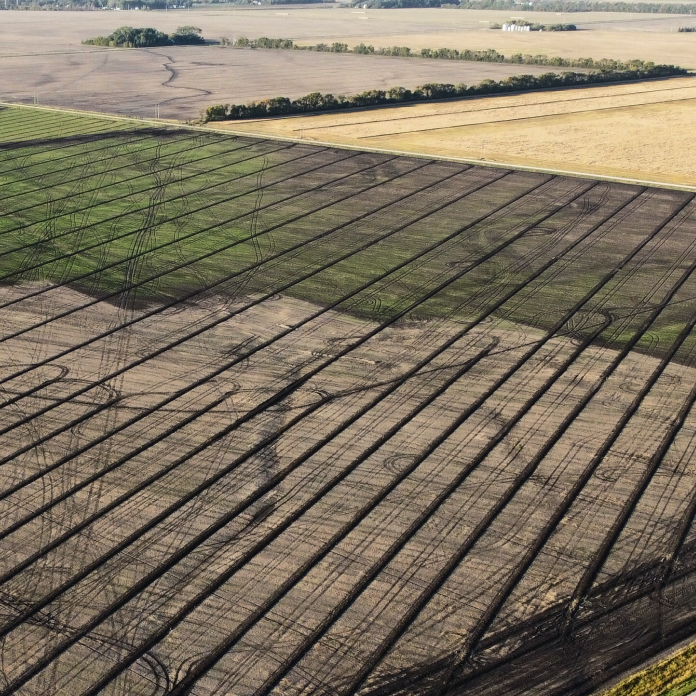
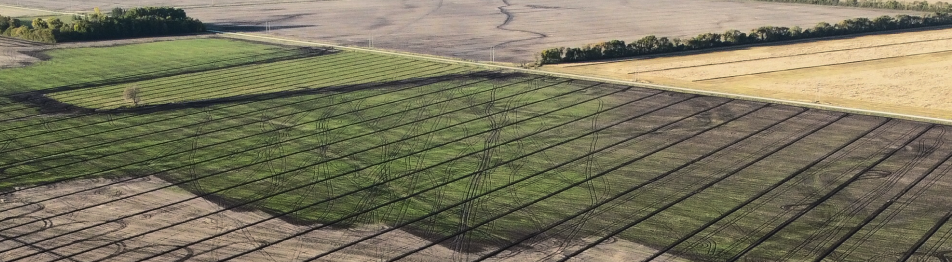
One of the biggest threats to soil health is oversaturation. When fields stay waterlogged, roots suffocate and yields plummet - something Manitoba farmers know well, with excess moisture responsible for an estimated 55% of crop losses since 2004. Waterlogged soils also accelerate denitrification, releasing nitrous oxide (N₂O), a potent greenhouse gas. In fact, cropland N₂O accounts for 8% of Manitoba’s total emissions.
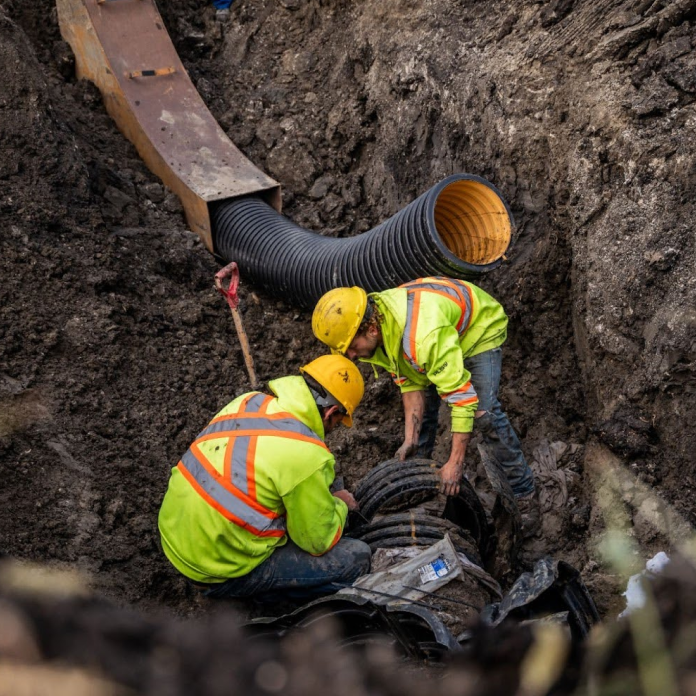
That’s where tile drainage comes in. By removing only excess water, tile systems keep soils aerated, support strong root systems, and stabilize the carbon cycle. Balanced soil moisture leads to healthier crops, higher yields, and reduced greenhouse gas emissions - making tile drainage an essential tool for climate resilience.