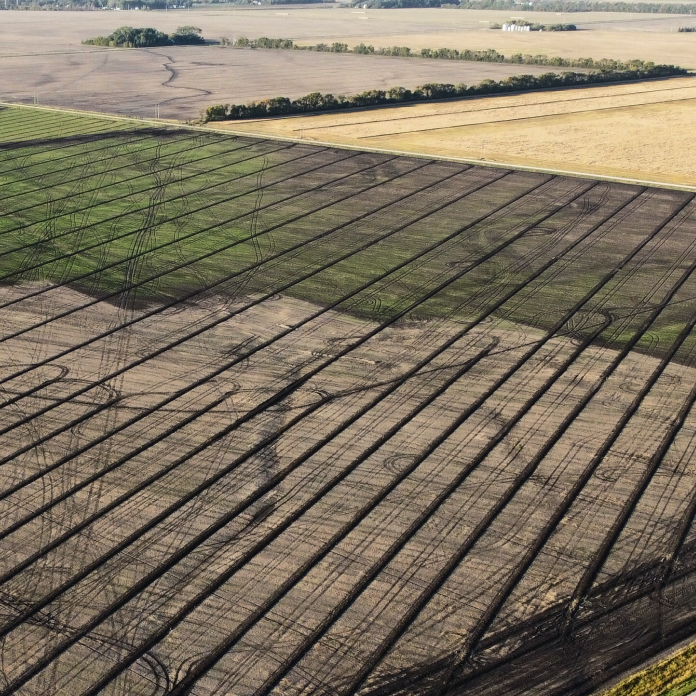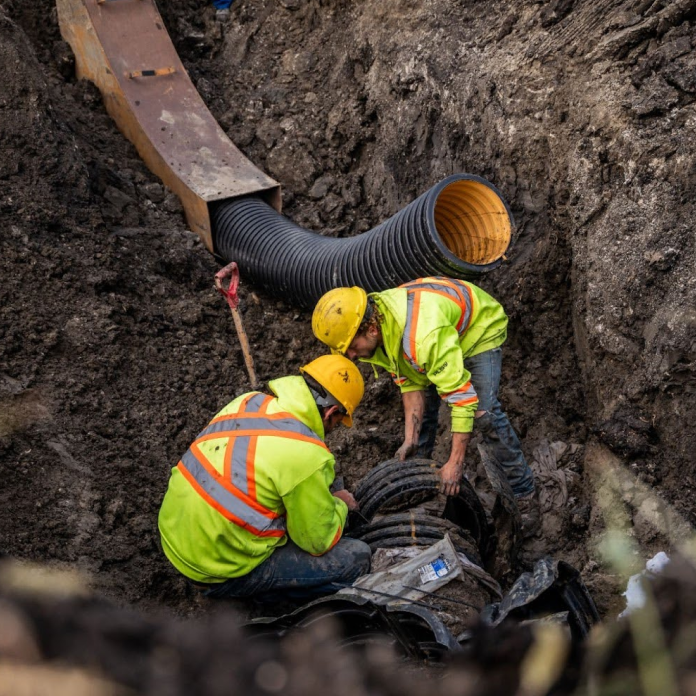
Tile drainage has a long history in North American agriculture, but in Manitoba, its adoption has accelerated only in recent decades. As technology improves and local research expands, more producers are recognizing the value of strategic water management.
A Long History Meets Modern Innovation
For more than a century, drainage has played a major role in agricultural productivity across the United States and Canada. In the U.S., drainage installation was even cost-shared for decades through the USDA as a soil conservation practice. According to Dr. Gary Sands from the University of Minnesota, advancements in materials and installation technology have dramatically simplified tile drainage. What once required hand-digging and minimal tile lines can now be installed efficiently and affordably using modern equipment.
Momentum Builds in Manitoba
Manitoba’s adoption of tile drainage has increased over the last 20 years, fueled in part by local tile manufacturing and improved installation techniques. Historically, farmers relied heavily on surface drainage, but the introduction of controlled drainage systems has made it possible to manage the water table within fields more precisely.
Despite this progress, adoption in Manitoba remains modest. Only an estimated 40,000 to 60,000 acres are currently tile drained - a small portion of the province’s 11.6 million acres of farmland. In contrast, Ontario leads the country with nearly 4 million acres of tile drainage already installed.
Neighbouring Regions Highlight the Opportunity
Across the border, North Dakota has seen rapid expansion of tile drainage over the past 15 years, especially in the moisture-prone Red River Valley. The comparison is a reminder of both the demand and the potential for Manitoba to continue building momentum.
As technology improves and costs stabilize, the barriers to adoption are gradually shrinking. Tile drainage is no longer a niche practice - it’s an increasingly essential tool for modern, efficient farming in the Prairies.