service

Surface Drainage

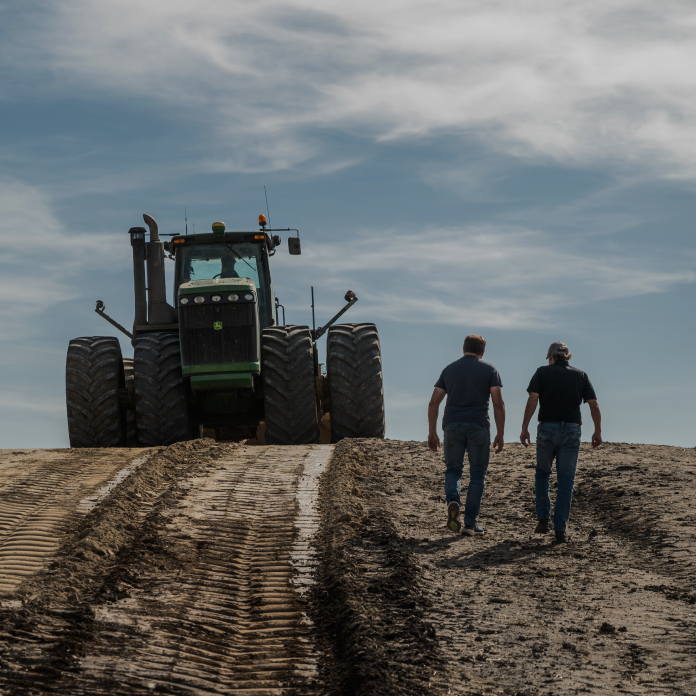
Surface drainage is the process of reshaping the land to guide water away from fields. By creating proper slopes and flow paths, water moves efficiently off the land—reducing ponding, improving access, and protecting productivity for the long term.
1.

Our Process

Our approach to surface drainage depends on project size and client needs, every project starts with consultation, surveying, and design, and finishes with GPS-controlled grading that ensures lasting results.

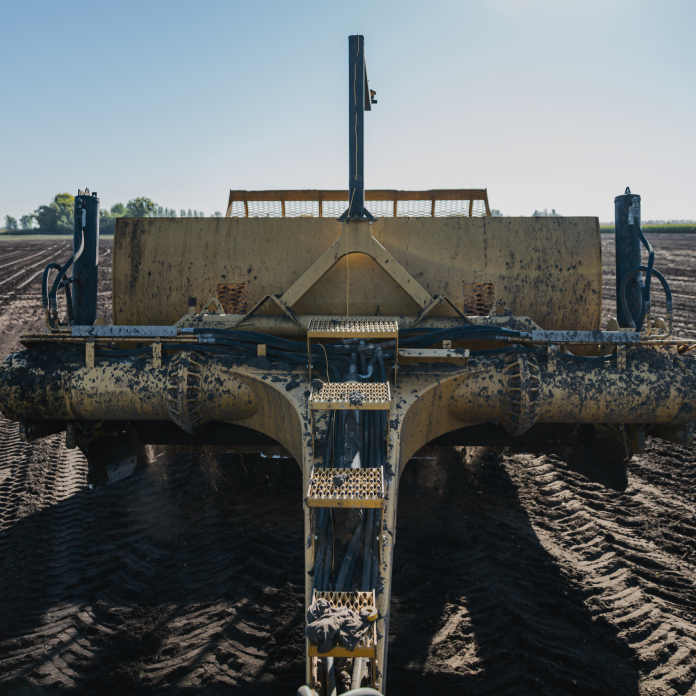
Large Projects – Begin with a full topographical survey, modelled in OptiSurface software to create a detailed drainage plan. After review with the client, the plan is uploaded to GPS-guided scrapers to carry out precision shaping.


Smaller Projects – Streamlined process with on-site surveying and immediate implementation, always tailored to field conditions.
2.

Benefits of Surface Drainage

Surface drainage is one of the most cost-effective ways to improve water management on your land. It delivers quick returns compared to many other crop inputs.

FAQ

What maintenance is required?
Surface drainage systems do require ongoing maintenance because water, wind, and gravity naturally move soil over time. Regular maintenance typically includes keeping ditches, culverts, and erosion controls clear. In areas where significant dirt was moved, light touch-ups may be needed in the years after the soil settles. Proper maintenance keeps the system performing at its best.
Do surface drainage projects require permits, and do you help with them?
Yes. Surface drainage has regulatory and permitting requirements similar to tile drainage. These processes can be detailed and time-consuming, but we have extensive experience working with regulators, municipalities, and utilities. We can handle the entire permitting process for our clients or support them if they prefer to manage it themselves. Starting early is strongly recommended.
What is the typical process and timeline?
A project usually includes a field meeting, survey work, design, permitting, and construction. We often begin planning and permit applications at the same time. Because survey data and approvals can take time, most growers see the best results when they plan well ahead of their preferred construction date. We complete all work ourselves and schedule construction based on conditions and workload.
How do you design an effective surface drainage plan?
We start with a face-to-face meeting and a field tour to understand the situation firsthand. Then we use RTK GPS or LiDAR survey data to identify low spots, flow paths, and outlet options. Depending on the field, we may build drainage channels or use land leveling/land forming to give the entire field proper row fall, ensuring that every row or square foot has a place to drain to. We use OptiSurface software and our extensive experience to minimize soil movement, protect topsoil, and ensure the long-term health of the field. All construction is completed by our own team using RTK-controlled scraper units with high-flotation tires, resulting in the absolute lowest compaction possible.
What are the benefits of surface drainage?
Surface drainage is the fastest, easiest, and highest-return improvement you can make on land where excess moisture is an issue. When water ponds, plants drown and field operations come to a stop. By removing surface water quickly and responsibly, you improve crop survival, increase field access, and reduce risk across the farm. Every field is different, so we always tailor solutions to the landscape and the farmer’s management style.

Ready to maximize the 
potential of your land?

Let’s talk about the right drainage solution for you.